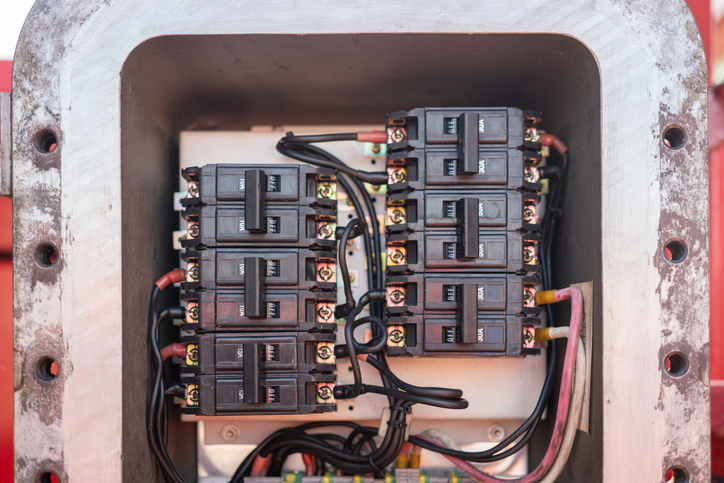
Your electrical panel is the heart of your home’s power system. But like any major component, it should be evaluated over time to ensure it’s still meeting your home’s needs safely.
Many homeowners don’t think about their electrical panel until something goes wrong, and by then, the issue may already pose a safety risk. Even when functioning properly, older panels may struggle to keep up with modern electrical demands, increasing the chances of tripped breakers, damaged appliances, or system overload.
Knowing when to evaluate or upgrade your electrical panel can help you protect your home, improve reliability, and prepare for future electrical needs.
Common Signs Your Electrical Panel May Need Replacement
Your breaker box plays a critical role in safely distributing electricity throughout your home. Over time, wear and tear can affect how efficiently it performs.
Watch for these warning signs:
- Flickering or dimming lights when appliances turn on
- Breakers that trip frequently or won’t reset
- Burning smells near the panel
- Buzzing or crackling sounds coming from the breaker box
- Warm or discolored panel cover
- Rust or corrosion inside the panel
These signs may indicate that your panel is struggling to safely manage your home’s electrical load.
Special Consideration: Federal Pacific (FPE) and Zinsco Panels
Some older electrical panels, including those manufactured by Federal Pacific Electric (FPE) and Zinsco, have been historically associated with performance concerns.
While not every panel from these manufacturers is guaranteed to be unsafe, certain models have been documented as having difficulty properly tripping breakers during an overload or short circuit.
Because of this, homes equipped with these types of panels may benefit from:
- A professional inspection to evaluate overall condition
- Load capacity assessment
- Verification that breakers are functioning as intended
- Recommendations for repair or replacement, if necessary
An inspection can help rule out potential safety concerns and ensure your electrical system is operating as designed.
Older Panels May Not Be Designed for Today’s Electrical Demands
Even when properly maintained, electrical panels installed decades ago were not designed to support the way most homes use electricity today.
Modern homes often require power for:
- Electric vehicle chargers
- Hot tubs or spas
- Updated HVAC systems
- Home offices and tech equipment
- Modern kitchen appliances
- Smart home devices
An older panel may still be operational but lack the capacity to safely support these upgrades without overloading circuits or increasing strain on the system.
Why Electrical Panel Replacement Is Not a DIY Project
Replacing an electrical panel is a complex process that involves working with live service lines and ensuring compliance with current electrical codes.
In order to safely replace a panel, all power to the home must be completely shut off. This includes disconnecting service from the utility provider before any work can begin.
Panel upgrades typically require:
- Proper load calculations
- Full disconnection of electrical service to the home
- Permitting through the local building department
- Inspection to verify code compliance
- Correct grounding and bonding
Attempting to replace a panel without professional training can result in serious injury or long-term safety hazards within your home’s electrical system.
Upgrading Your Panel Can Add Value When Selling Your Home
A modern electrical panel may also provide a competitive advantage if you plan to sell your home in the future.
Buyers are increasingly interested in homes that are:
- Move-in ready
- Equipped for modern electrical upgrades
- Safe and up to current code standards
This can help reduce concerns during inspection and may make your home more appealing to buyers looking for long-term reliability and flexibility.
Schedule a Professional Inspection
If your electrical panel is showing signs of wear or struggling to keep up with your home’s electrical needs, a professional inspection can help determine whether an upgrade is necessary.
Upgrading your panel can improve safety, reliability, and peace of mind while ensuring your home is prepared to support modern electrical demands.
